
Embarking on a New Career Path: Tips to Guide Your Journey
Updated: Jul 6

It’s a chance to reinvent yourself, discover hidden talents, and build a future that excites you every morning. Ready to navigate this thrilling journey? Let’s dive into some career path tips that will help you sail smoothly. According to US News - The best jobs in America in 2026, Careers in the STEM fields – science, technology, engineering and math – continue to dominate this list. Read on for the best jobs of 2026.
Career Path Tips: Setting Your Compass Right
Before you set off, you need a clear direction. Without it, you might drift aimlessly, wasting time and energy. Here’s how to set your compass:
Assess Your Strengths and Interests
What lights a fire in your belly? What skills do you excel at? Make a list. This self-awareness is your North Star.
Research Industries and Roles
Don’t just guess. Dig deep into industries that align with your passions and skills. Use online resources, attend webinars, and connect with professionals.
Set Realistic Goals
Break your big dream into smaller, achievable milestones. Want to become a data analyst? Start with a certification, then internships, then entry-level roles.
Build a Support Network
Surround yourself with mentors, peers, and career coaches. They’ll offer guidance, encouragement, and sometimes, a much-needed reality check.
Stay Flexible
The path won’t always be straight. Be ready to pivot, learn new skills, and adapt to changes.
Remember, this is your journey. Own it.
What is a Career Path Example?
Understanding what a career path looks like can make the abstract feel tangible. Let’s break it down with a simple example: Imagine you’re interested in digital marketing. Your career path might look like this:
Entry-Level Role: Marketing Assistant
Learn the basics of campaign management, social media, and content creation.
Mid-Level Role: Digital Marketing Specialist
Take on more responsibility, manage projects, and analyze campaign performance.
Senior Role: Marketing Manager
Lead a team, develop strategies, and oversee budgets.
Expert Role: Marketing Director or Consultant
Shape company-wide marketing vision or advise multiple clients.
Each step builds on the last, adding skills and experience. This roadmap helps you see where you are and where you want to go.

Navigating Challenges on Your New Career Path
No journey is without bumps. Here’s how to tackle common obstacles:
Fear of the Unknown
It’s natural to feel scared. Combat this by gathering information and preparing thoroughly. Knowledge reduces fear.
Skill Gaps
Identify what skills you lack and invest in learning. Online courses, workshops, and certifications are your best friends.
Financial Concerns
Transitioning might mean starting at a lower salary. Budget wisely and consider part-time work or freelancing to bridge gaps.
Networking Hurdles
If you’re new to an industry, building connections can be tough. Attend industry events, join online forums, and don’t hesitate to reach out on LinkedIn.
Self-Doubt
Remember, everyone feels this way at some point. Celebrate small wins and keep a journal of your progress. Persistence is key. Every challenge is a stepping stone.
Tools and Resources to Empower Your Transition
In today’s digital age, you’re not alone. There are countless tools designed to help you succeed:
Resume Builders and Optimizers
Tailor your resume with Resume IQ to highlight transferable skills and relevant experience.
Career Assessment Tests
Discover roles that fit your personality and strengths. JobMatch IQ can help with this.
Online Learning Platforms
Websites like Coursera, Udemy, and LinkedIn Learning offer courses to fill skill gaps.
Job Search Engines
Use filters to find roles that match your new career goals.
Mentorship Platforms
Connect with industry veterans who can provide insider tips.
Using these tools strategically can accelerate your progress and boost your confidence.
Taking the Leap: Your Next Steps
Now that you have a roadmap and tools, it’s time to act. Here’s a simple plan to get started:
Define Your Why
Why do you want this change? Clarity here fuels motivation.
Create a Learning Plan
Identify courses, certifications, or experiences you need.
Update Your Resume and LinkedIn
Highlight relevant skills and experiences, even if they come from different fields.
Start Networking
Reach out to professionals, join groups, and attend events.
Apply Strategically
Focus on roles that align with your new career path and growth potential.
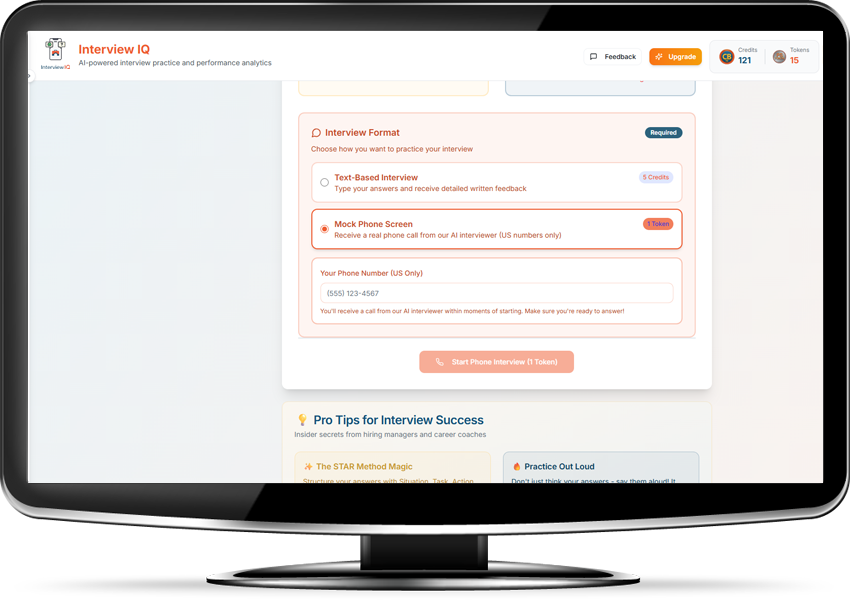
Prepare for Interviews
Practice explaining your transition story confidently and positively.
Remember, every expert was once a beginner. Your journey is unique, and with the right mindset and tools, success is within reach.
🧠 Embarking on a new career path with CareerBridgeIQ is more than just a change of job - it’s a transformation of your life. With clear goals, practical steps, and a resilient spirit, you can turn uncertainty into opportunity. So, what are you waiting for? Your future is calling. Answer it boldly.


Comments